
Plant to Home’s First Online Store — 150% Sales Growth

Overview
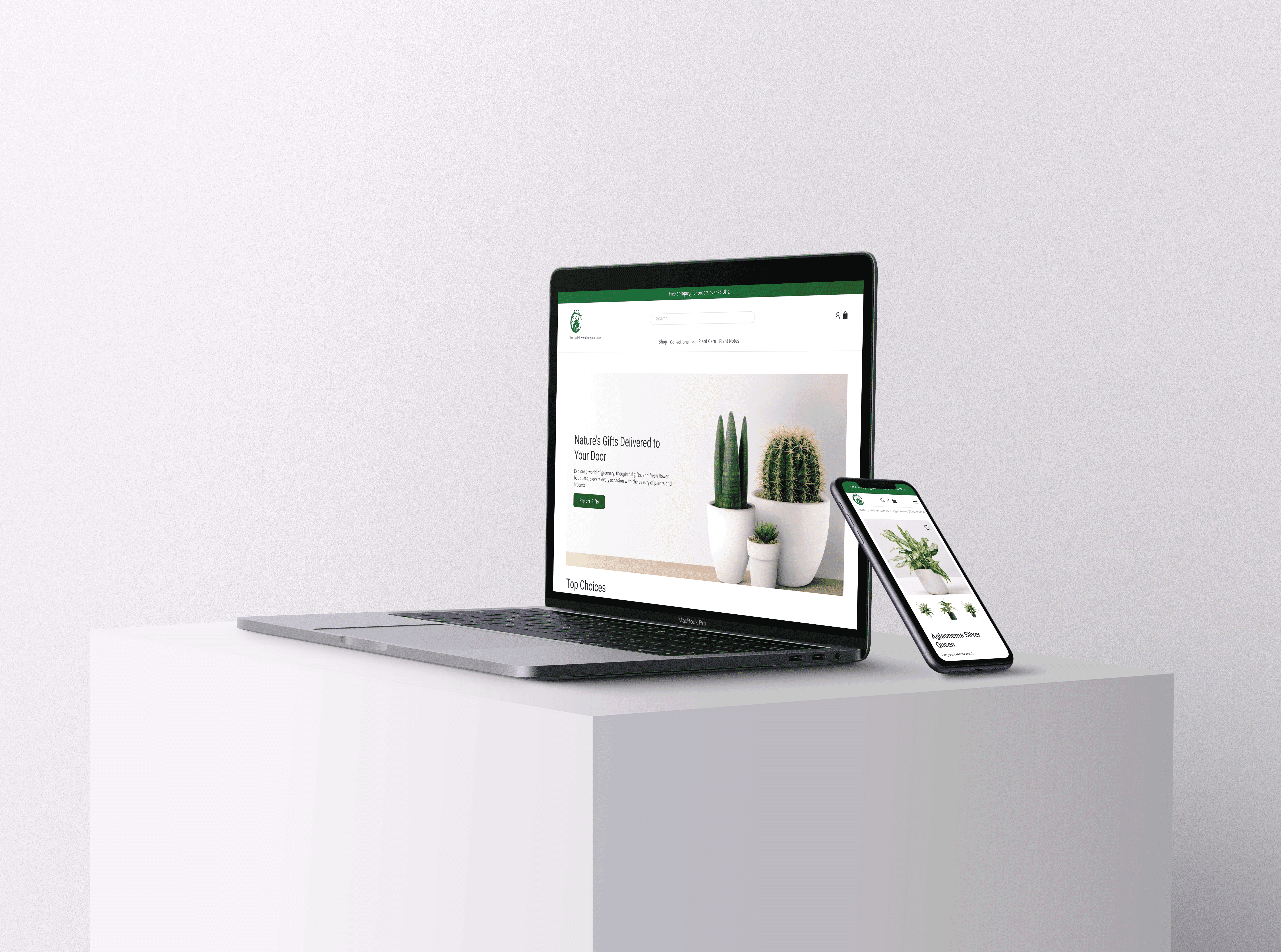
Plant to Home is a Dubai-based brand that originally grew through social media and Amazon. As sales increased, the team wanted to move into a dedicated online store that felt more premium and could reach a wider audience.
My Role: I worked as the sole designer, handling everything from research and information architecture to wireframes, UI design, components, and final prototypes.
My goal was to design a clean, modern, and easy-to-use e-commerce experience that could stand out in a competitive market and make buying plants simple for everyone.
The Challenge
Dubai’s plant market is highly competitive, with many customers relying on Amazon or established plant stores.
The main challenge was building a trustworthy, fast, and friction-free website in a market full of visual clutter and long checkout flows.
Key problems we needed to solve:
Overloaded pages with too many banners and carousels
Inconsistent layouts that hurt trust
Checkout flows that required too many steps

Research Insights
I studied leading GCC plant stores, including Plantshop.me, to understand what works and what doesn’t.

What competitors do well
Clean layouts
Easy navigation
Strong product detail pages
Opportunities
A minimal, distraction-free layout
A tighter color system
Better product image presentation
A faster and simplified purchase experience
Weakness
Too many elements packed into one page
Brand colors not used consistently
Carousels slowing down load time
Checkout steps causing drop-offs
Why This Works
To make sure every design choice had purpose, I focused on decisions that directly improved the user experience:
Removing unnecessary banners made the page clearer and helped users find products faster.
A consistent color system built trust and improved brand recognition
A simplified checkout reduced drop-offs, especially on mobile
Improved product image surfaces helped users compare and decide confidently
Every decision directly supported user needs and business goals.


User persona
Through observations and conversations, I found that most customers buy plants for balconies, corridors, and living rooms. They value:
Simple choices
Clear product photos
Trust signals like UAE-wide delivery
Quick checkout
This helped shape the design into something calm, clear, and easy to navigate.
Wireframes
Before jumping into UI, I mapped out the core pages and removed unnecessary elements commonly seen on competitor sites.
Wireframes focused on:
Clean layouts
Simple categories
Clear product discovery
A smooth, two-step checkout path
These early decisions created a strong foundation for the final design.
Faster Checkout
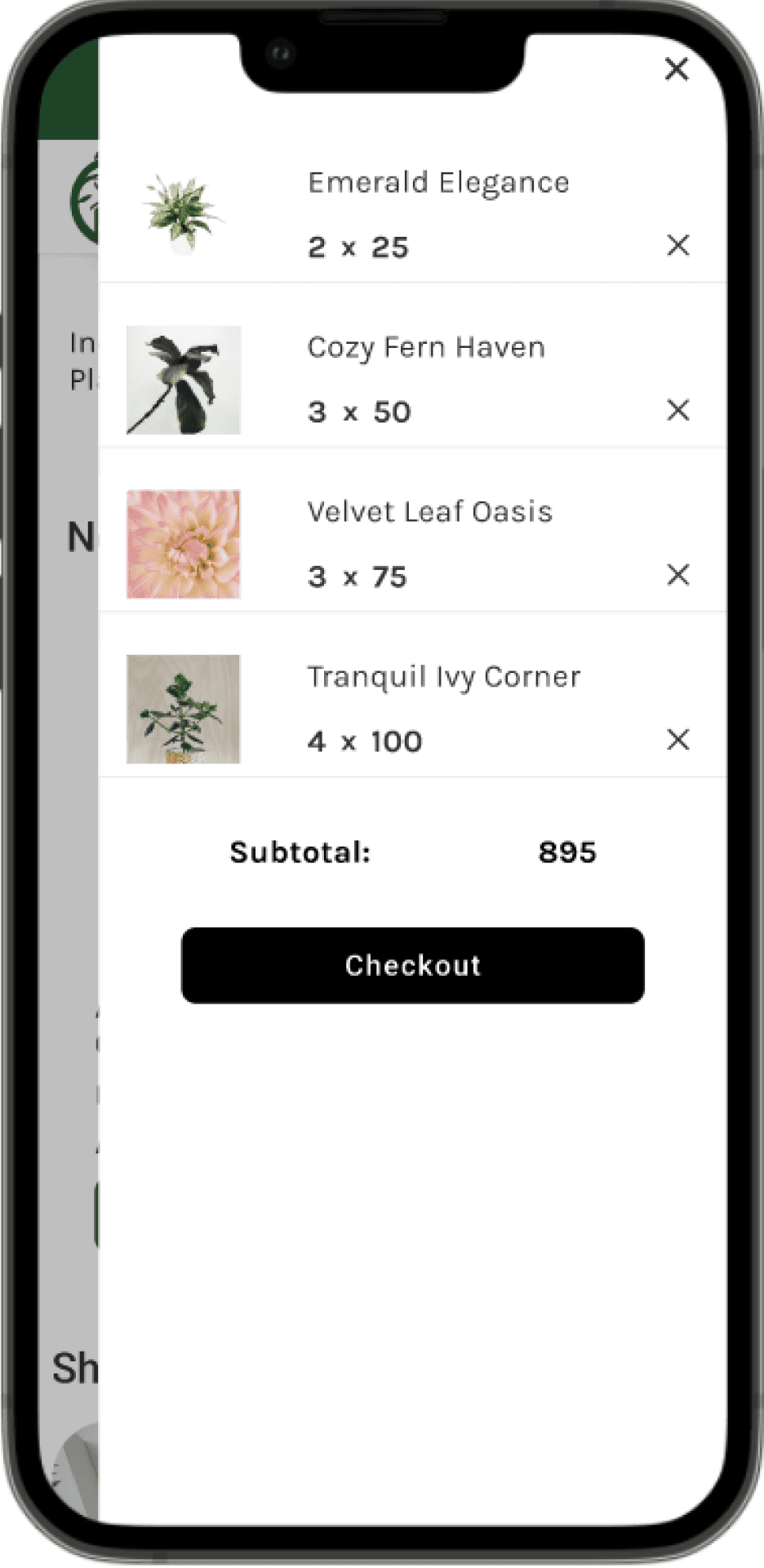
One of the major improvements was the Floating Checkout Widget—an always-visible mini cart that lets users check out instantly from any page.
This mattered because:
It reduced friction and improved speed
It supported mobile users who shop quickly
Competitor sites lacked this feature, making it a differentiator
Final UI Design
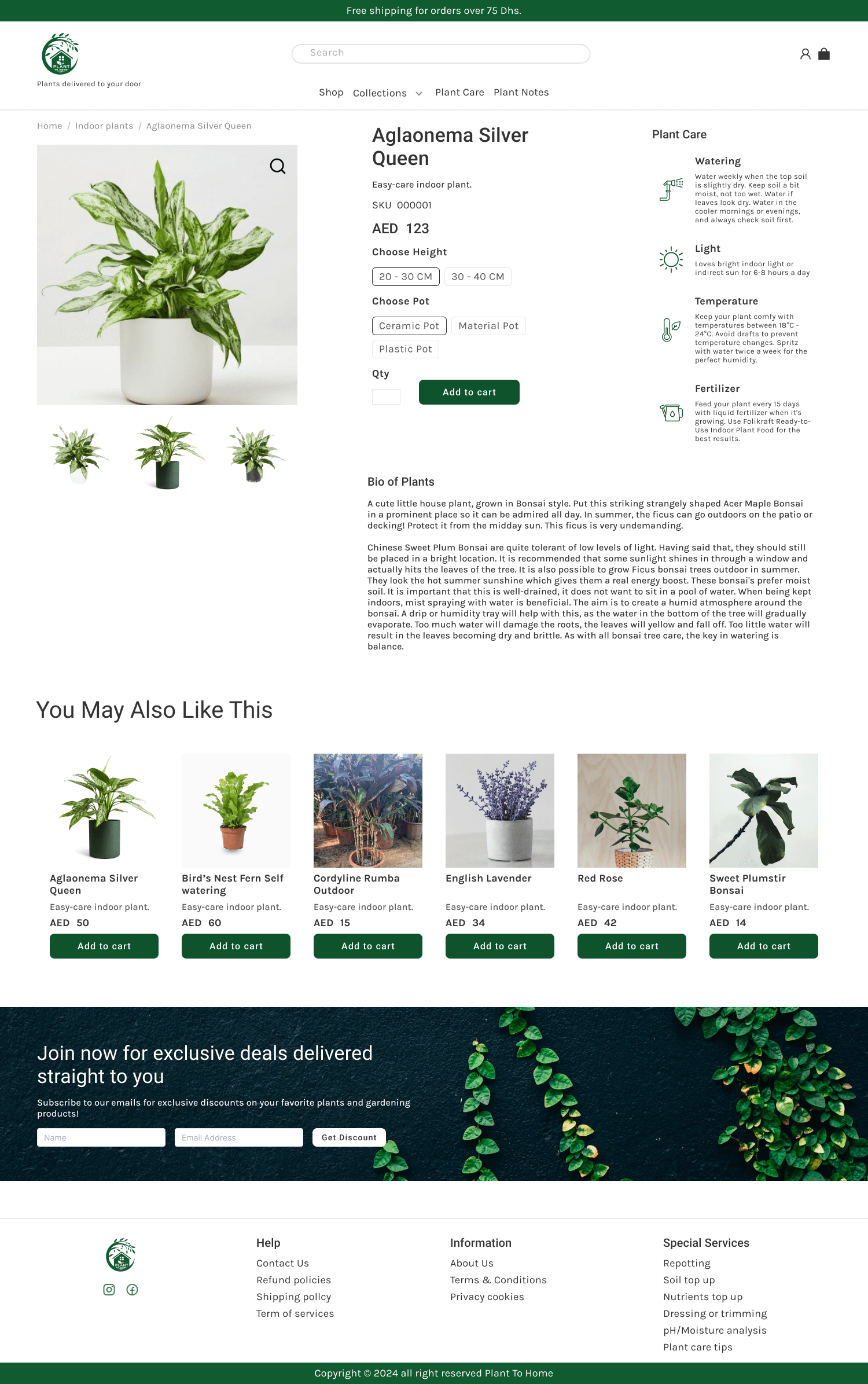
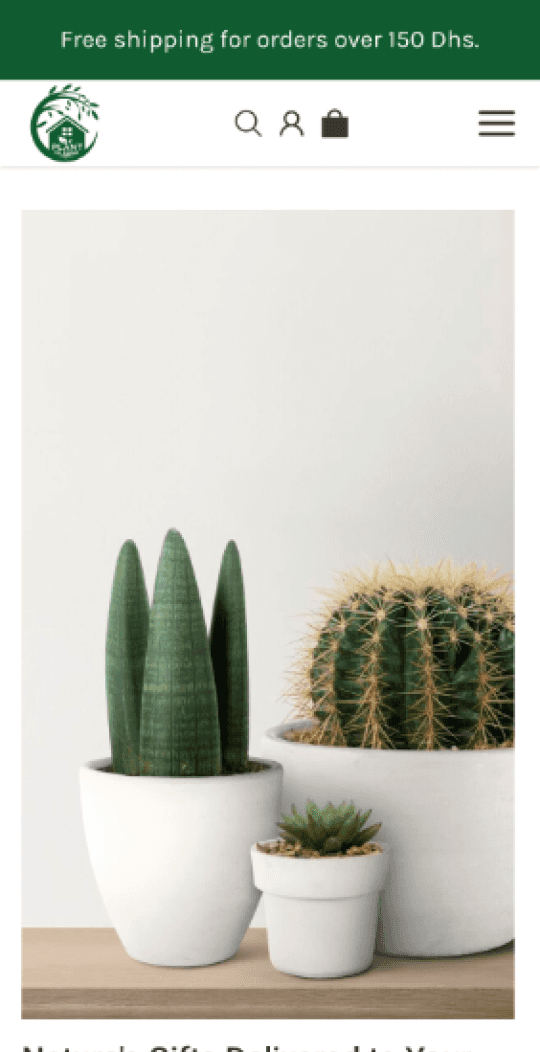
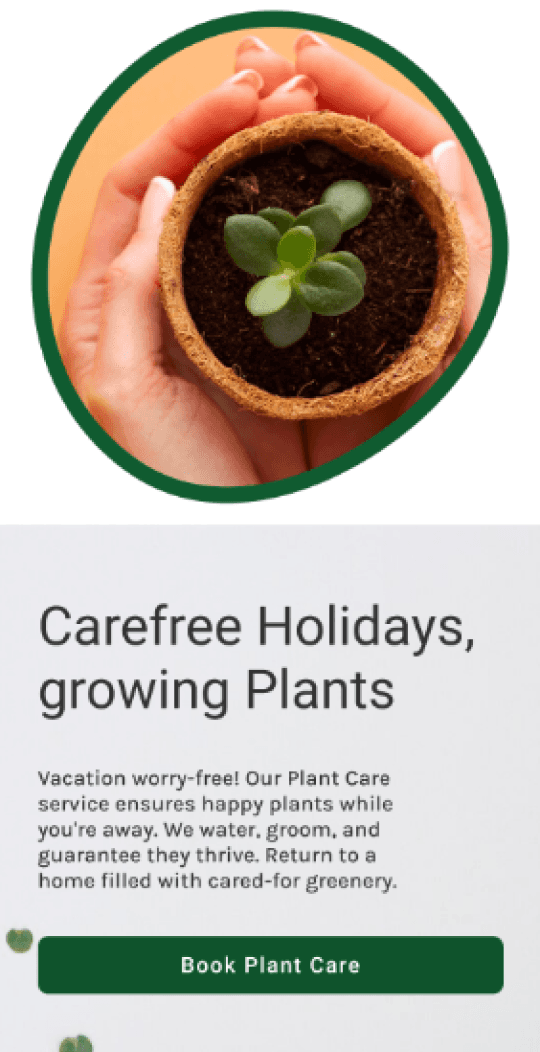
Once the structure felt strong, I explored visuals that matched the brand’s soft, natural personality.
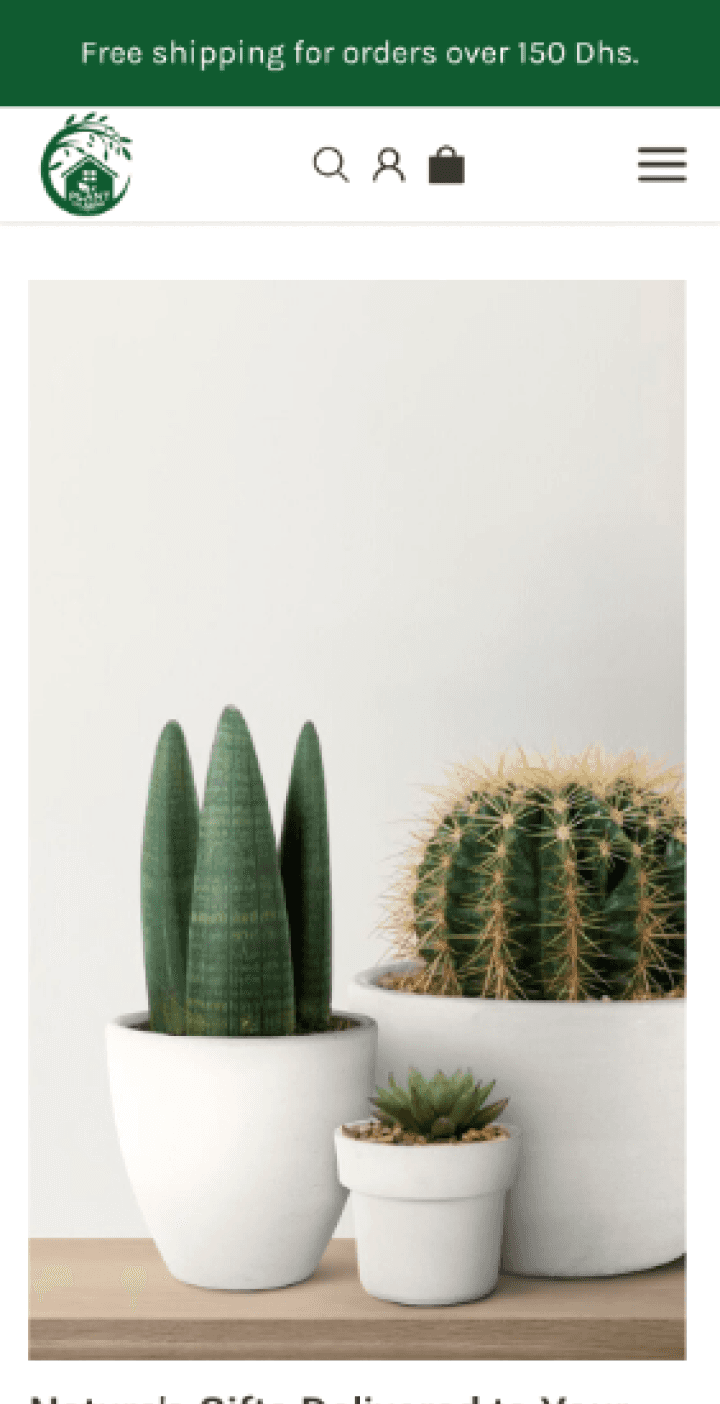
The final UI uses:
Neutral backgrounds
Minimal surface layers
Clean typography
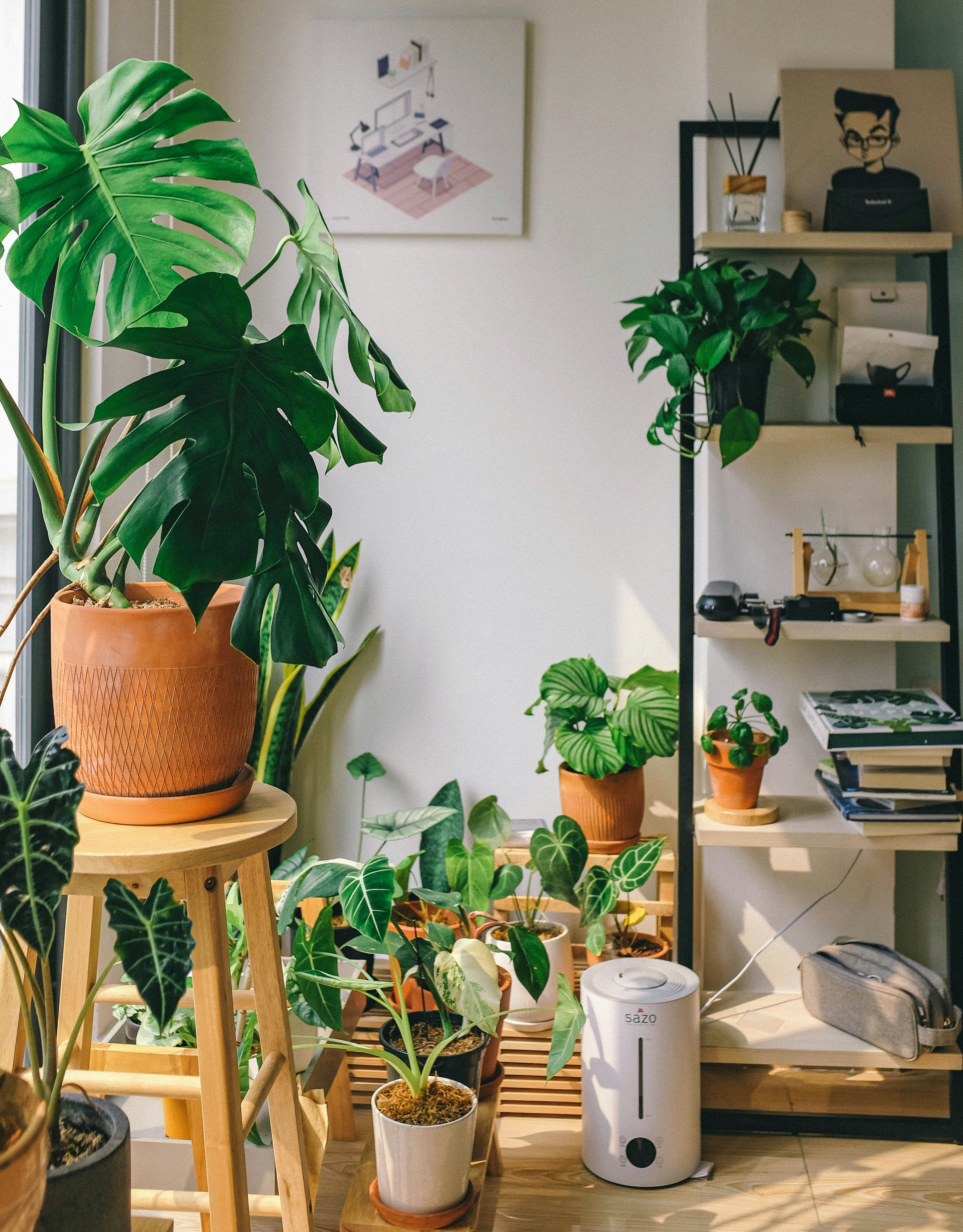
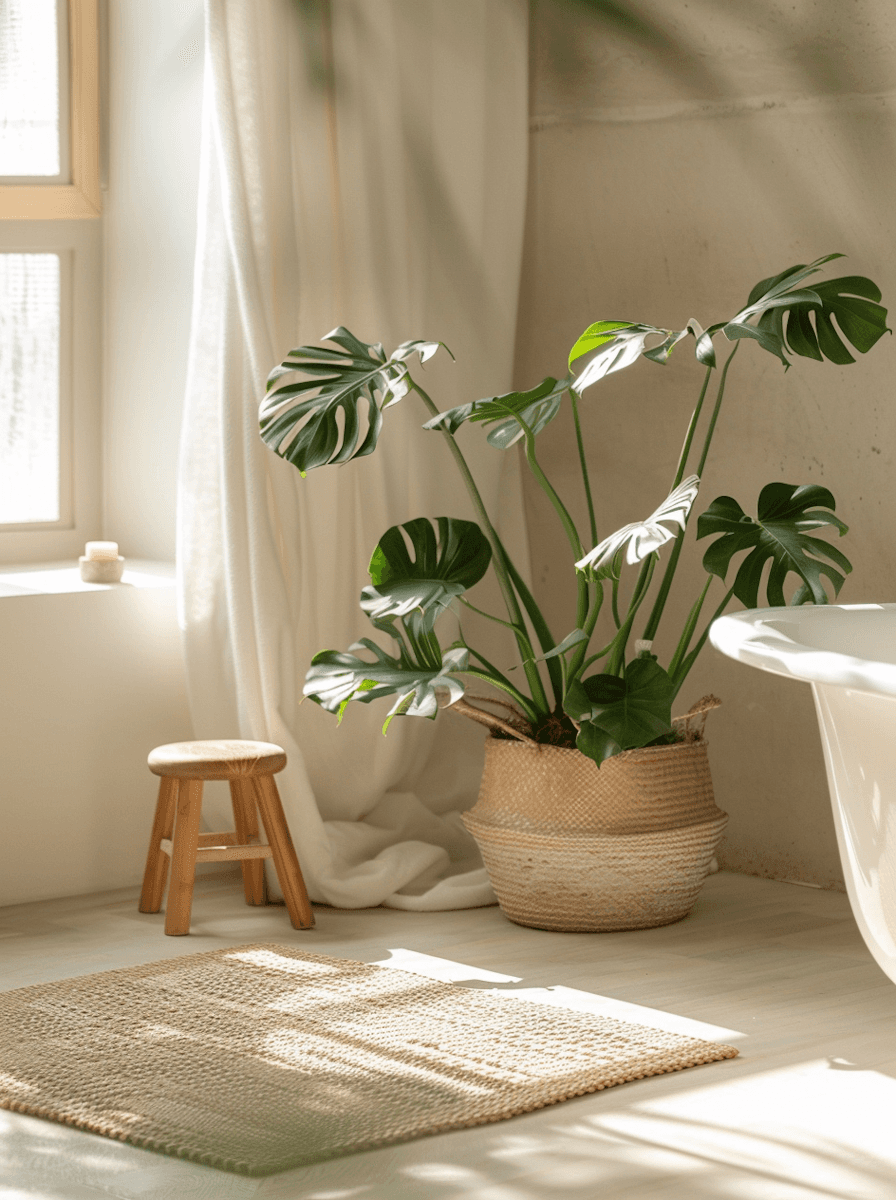
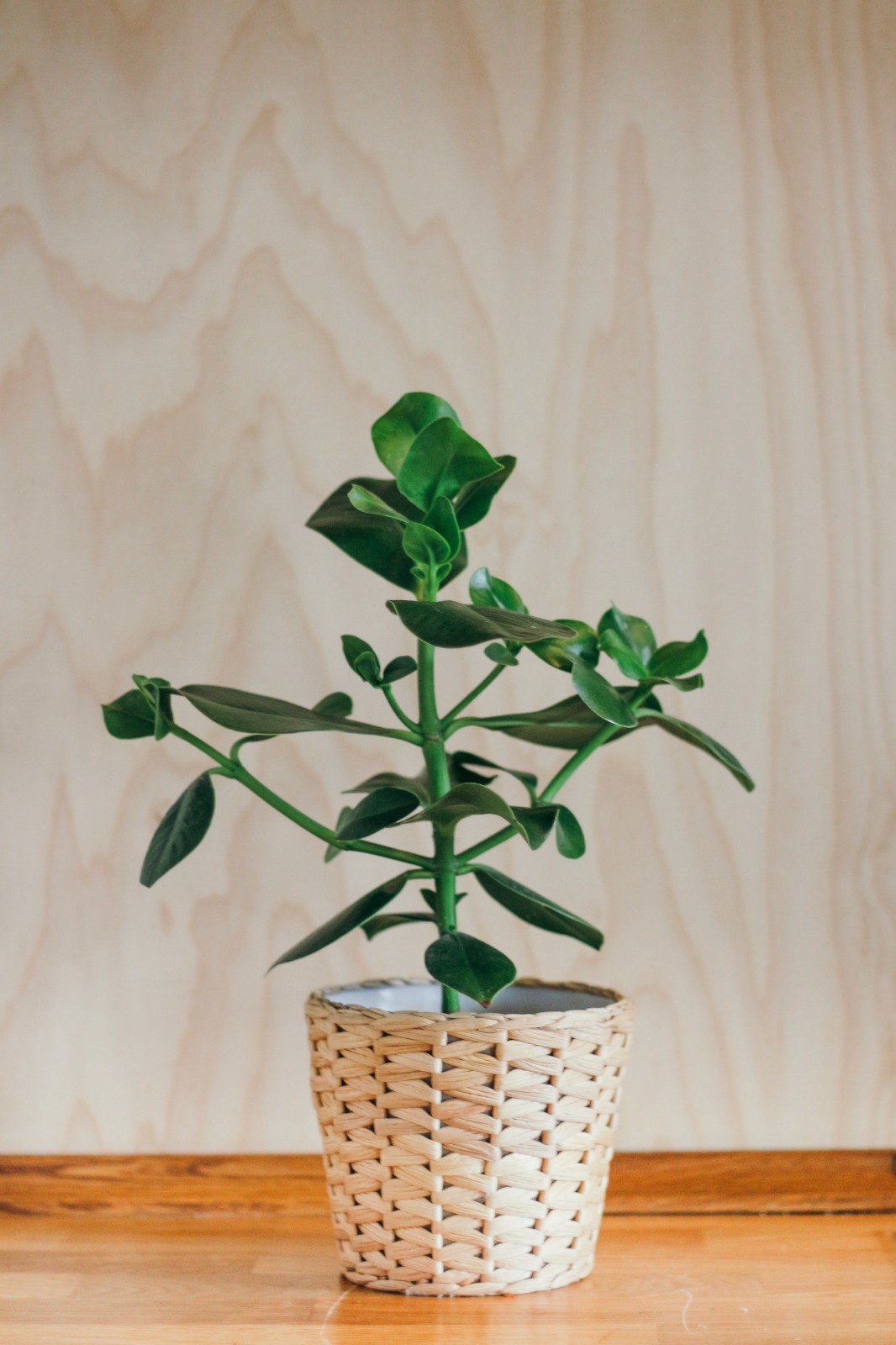
High-quality plant images
The result is a modern, trustworthy, and refreshing shopping experience.
Components
To keep everything consistent, I created a full component set:
Buttons
Product cards
Navigation items
Banners
Checkout widget
This helped maintain design consistency and makes future updates much easier.



Final Thoughts
This project taught me the value of removing clutter, simplifying decisions, and building trust through consistency. The result is a smooth shopping experience that feels fresh, modern, and user-friendly.